
In today’s world, where everyone values their freedom, arranged marriages can stir up many feelings. Some people are curious, others feel a sense of nostalgia, and some might even feel a bit scared. It’s important to know that arranged marriages are not just old-fashioned; they mix old traditions with new values to meet today’s couples’ dreams.
This guide aims to show the beauty of arranged marriages in today’s world. We’ll look at how they work now, while keeping their roots in mind.
As we dive into this topic, we’ll uncover the beauty of arranged marriages. Whether you’re thinking about it or just want to learn more, this journey is about more than love. It’s about family, support, and the changing nature of commitment.
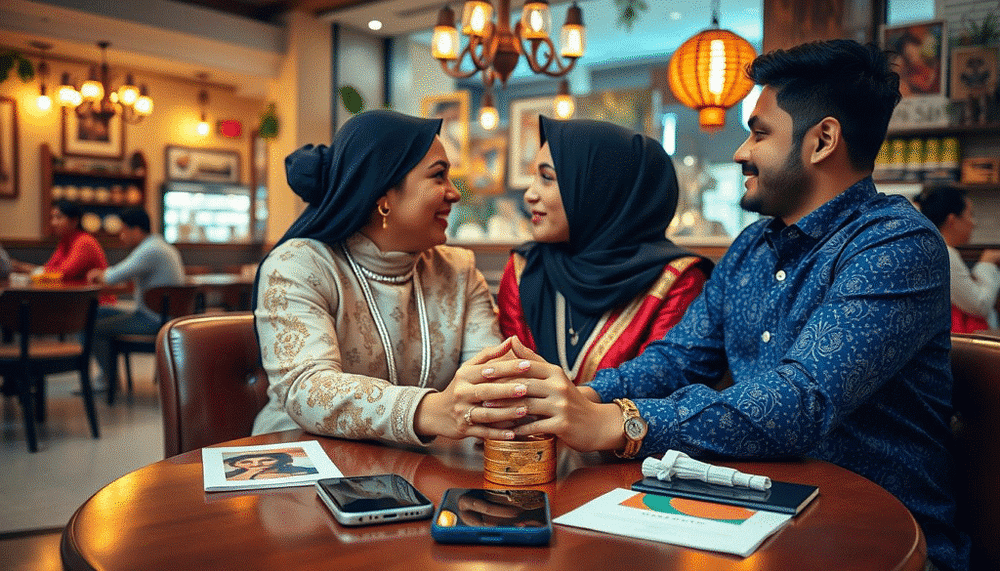
Understanding the Concept of Arranged Marriage
Arranged marriage is a big deal in many cultures. It has deep roots in history. It mixes personal love with family and money, making a complex web of relationships.
Looking back in history helps us see how arranged marriages have changed. They show how society’s values and structures have shifted over time.
Historical Context and Evolution
Arranged marriage started when family ties were key to keeping society stable. It was a way to make alliances and gain social and economic benefits. Studies show it helped in forming alliances and managing land and resources.
Different Cultural Perspectives
Arranged marriages look different in every culture. In South Asia, they’re common and based on family values. In some African cultures, they’ve adapted to modern times but keep core beliefs.
This shows the wide range of arranged marriage practices. It also highlights the important values behind them.
Arranged marriages offer special benefits that many people and families find appealing. These advantages come from strong family values and careful matchmaking. This approach helps build lasting commitment. Family support is key, laying a solid foundation for couples starting their journey together.
Family Support and Involvement
The benefits of arranged marriage often start with strong family backing. Families focus on shared values during matchmaking, boosting the chance of a strong partnership. They also get involved in the couple’s life, providing guidance and support.
Studies show that couples with family support are happier. This support helps them deal with challenges and strengthens their bond.
Compatibility and Stability
Matching couples based on compatibility is another big plus. Families consider cultural background, education, and economic stability. This careful selection builds a strong base for the couple, leading to fewer conflicts.
Research backs up the idea that compatible couples are more stable and satisfied. This shows the benefits of arranged marriage in creating lasting relationships.
Arranged marriages often face criticism due to misconceptions. People may see them through stereotypes, leading to misunderstandings. It’s important to look beyond these stereotypes and address concerns about independence.
Common Stereotypes
Many stereotypes surround arranged marriages. Some think people lack control, that these marriages are forced, and love can’t grow. But, research shows many choose their spouses with family help. This challenges the idea that arranged marriages lack autonomy.
Addressing Concerns of Independence
Independence in arranged marriages is a big concern. Critics worry about losing personal freedom. But, studies show that people in these marriages feel just as free and happy as those in love marriages.
As they build their lives together, couples develop mutual respect. This respect empowers both partners, showing that *independence* can thrive in traditional settings.
StereotypeRealityIndividuals are forced into marriage.Many actively participate in the selection process.Lack of personal choice.Couples often work with family to determine compatibility.Independence is compromised.Many couples report high levels of satisfaction and teamwork.
Choosing the Right Partner in an Arranged Marriage
Choosing the right partner in an arranged marriage is a big decision. It’s important to think about what you value, your lifestyle, and your future goals. Families often help in finding a match, so talking openly is key.
Key Factors to Consider
When looking at possible partners, some key things to think about include:
- Shared Values: Make sure you both believe in the same things. These beliefs are the base of a good partnership.
- Life Goals: Talk about what you both want for the future. This helps see if you’re on the same path.
- Family Background: Look at your family’s culture, social status, and education. This can help you connect and understand each other better.
- Interests and Hobbies: Discuss your hobbies. Finding common interests can help you bond.
Effective Communication with Family
Talking well with your family is very important in arranged marriages. Here are some tips:
- Open Dialogue: Create a space where everyone can share their thoughts and worries about finding a partner.
- Setting Clear Expectations: Share what you want while also respecting your family’s values. This helps avoid disagreements.
- Regular Check-Ins: Keep talking about the matchmaking process. This helps address any issues quickly.
FactorImportanceImpact on RelationshipShared ValuesHighFoundation for mutual understandingLife GoalsHighGuides future togetherFamily BackgroundMediumInfluences cultural compatibilityInterests and HobbiesMediumEnhances bond and relationship depth
Modern Arranged Marriages: How They Work Today
Arranged marriages have changed a lot, showing how society and new ways of doing things have influenced them. Now, matchmakers and services help bring people together, making sure they’re a good match. Technology has made it easier to find a partner, making the process smoother.
Role of Matchmakers and Matrimonial Services
Today, professional matchmakers are key in arranged marriages. They’re different from old matchmakers who worked in communities. Now, they offer custom services, understanding what each person wants. They use many ways to help, including:
- Personalized assessments that focus on individual values and life goals.
- Extensive databases to identify partners with similar backgrounds.
- Post-match support, helping clients talk well with their matches.
Technology’s Influence on Arranged Marriages
Technology has changed arranged marriages, making them more popular with today’s people. Online platforms let people meet others from anywhere, giving them more choices. With technology, users can:
- Look at profiles with filters based on what they want.
- Start talking through messages, making first connections.
- Find advice and resources for modern arranged marriages.
This mix of old and new shows how arranged marriages today can meet people’s needs while respecting traditions.
Navigating Family Dynamics
Arranged marriages often lead to complex family dynamics. These can clash with personal desires. Finding a balance between family expectations and personal dreams is key. Understanding family values and setting boundaries is important for a healthy relationship.
Balancing Traditional Expectations with Personal Desires
In many cultures, family expectations shape marriage choices. People may feel pressured to follow old traditions, affecting their happiness. Talking openly with family about these expectations can help everyone understand each other better. Here are some ways to find common ground:
- Share personal values: Clearly express your beliefs and desires about marriage.
- Seek common interests: Find parts of family traditions that match your goals.
- Be patient: Family members may need time to adjust to new views on relationships.
Setting Boundaries with Family
Setting healthy boundaries is vital in arranged marriages. Feeling able to set limits can lead to more respectful family relationships. Here are some tips for setting effective boundaries:
- Define your boundaries: Be clear about what you’re comfortable sharing and what’s private.
- Communicate openly: Talk directly about your needs and what your family expects.
- Practice assertiveness: Stand up for your boundaries without feeling bad about your choices.
Building a Strong Relationship After an Arranged Marriage
Creating a strong bond after an arranged marriage is key to lasting happiness. Good communication is at the heart of this. Couples can grow closer by talking openly and listening well. This way, both feel understood and valued.
Effective Communication Strategies
Building a strong relationship starts with good communication:
- Regular Check-ins: Make time to talk about feelings, worries, and dreams.
- Nonverbal Cues: Notice body language and tone to improve talking.
- Emotional Validation: Recognize each other’s feelings to build empathy.
- Conflict Resolution: See disagreements as chances to grow, not just to win.
Planning Together: Goals and Aspirations
Sharing life goals is vital for a strong partnership. Couples should aim to have common goals. This helps them work together better. They should plan for the future together, considering:
AreasSuggestions for Joint PlanningFinanceMake a budget that fits both partners’ earnings and spending.CareerSupport each other’s career dreams by making decisions together.Family LifeTalk about having kids and set a timeline, if wanted.
Working towards shared goals makes the relationship stronger. By setting and chasing these goals, and using good communication, couples can keep their relationship vibrant and fulfilling.
Success Stories: Inspiring Arranged Marriage Journeys
Arranged marriage journeys are filled with challenges and triumphs. Real-life success stories show how couples overcome obstacles. They share their experiences, showing how their relationships grow over time.
Interviews with Couples
Couples who chose arranged marriages share their insights. They talk about the importance of talking openly. This helps them understand each other better and strengthens their bond.
- Couples talk about their initial fears and how they built trust.
- They mention how family support made the transition easier.
- Many say learning about each other’s backgrounds deepened their connection.
Lessons Learned from Their Experiences
Couples have learned valuable lessons from their experiences. These lessons show the growth possible in arranged marriages.
“We found that embracing our differences led to a stronger partnership.”
- Good communication can solve misunderstandings and make companionship better.
- Being patient and accepting is key when adjusting to new situations.
- Building a relationship takes effort and commitment from both sides.
Success stories in arranged marriages offer inspiration. They show that with openness and commitment, couples can grow stronger together.
Conclusion
In this arranged marriage summary, we’ve looked at the mix of old and new. We see that these marriages can lead to deep, fulfilling relationships. Modern practices have added new values, making it easier for people to connect while respecting their families and culture.
Reflecting on what we’ve learned, arranged marriages are more than just a tradition. They offer a special path to love, partnership, and stability. Many couples have found happiness and compatibility in these arrangements, showing that they can work well today.
In the end, accepting arranged marriages today is a good choice. It shows that these relationships can bring happiness and lasting love. By understanding and valuing this approach, people can find true companionship in arranged marriages.
FAQ
What is an arranged marriage?
An arranged marriage is when families or matchmakers pick the partner, not the couple themselves. This tradition varies a lot across cultures and places.
Are arranged marriages common today?
Yes, they’re common in many parts of the world, like South Asia and the Middle East. Even in modern times, many arranged marriages involve more input from the couple.
What are some benefits of arranged marriages?
Arranged marriages often bring strong family support. This can lead to stability and compatibility. Many couples are happier and have lower divorce rates than those in love marriages.
What challenges do couples in arranged marriages face?
Couples face challenges like managing family expectations and personal desires. They also have to deal with stereotypes and adjusting to new lifestyles.
How important is communication in arranged marriages?
Communication is key for discussing expectations and resolving conflicts. It helps build emotional intimacy and understanding between partners.
What role do matchmakers play in arranged marriages?
Matchmakers help find partners by looking at family background, education, and cultural fit. They offer valuable insights and guidance in the matchmaking process.
How has technology impacted arranged marriages?
Technology has changed arranged marriages with online dating and matrimonial services. These tools help people meet beyond their social circles, making matchmaking easier.
How can someone effectively express their preferences in an arranged marriage?
To express preferences, keep communication open with family. Share personal values, lifestyle choices, and goals to meet family expectations.
What key factors should individuals consider when choosing a partner in an arranged marriage?
Consider shared values, future goals, family background, and cultural fit. Lifestyle preferences are also important for a strong partnership.
Can arranged marriages lead to successful relationships?
Yes, many arranged marriages are successful and fulfilling. Success depends on good communication, mutual respect, and facing challenges together.